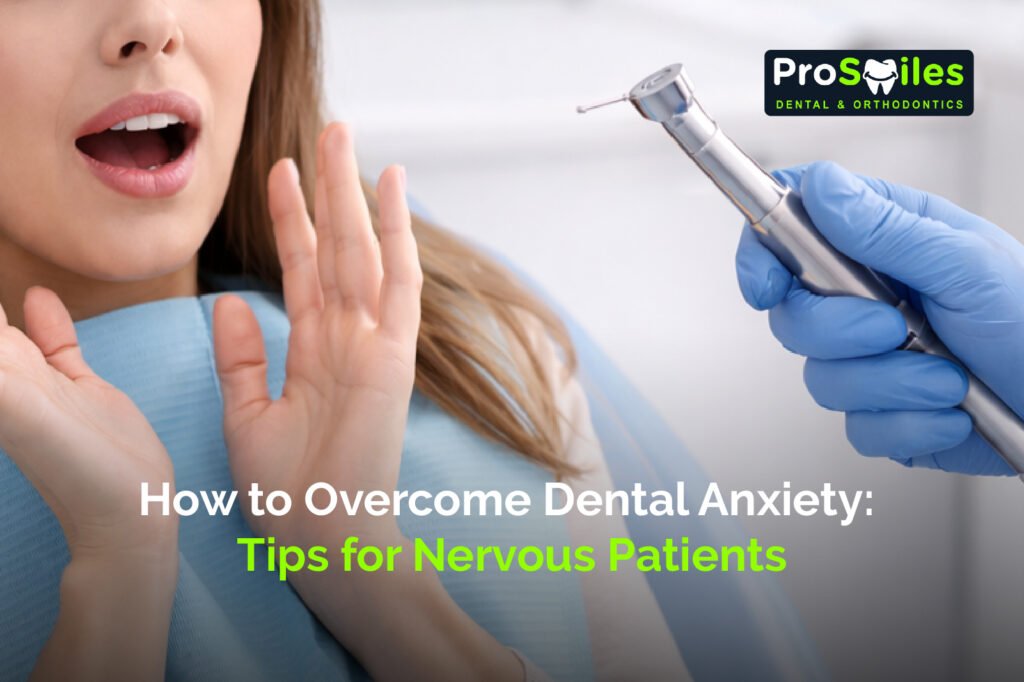
Dental anxiety is more common than most people think. In clinical practice, we see patients delay care for years because of fear. This often leads to more complex treatment later.
Here is what matters most. Dental anxiety is manageable. With the right approach, most patients can receive care comfortably and safely.
What Is Dental Anxiety and Why Does It Happen?
Dental anxiety refers to fear, stress, or nervousness associated with dental visits. It can range from mild uneasiness to severe avoidance.
Common causes include:
- Fear of pain
- Negative past experiences
- Loss of control in the dental chair
- Sensitivity to sounds, smells, or instruments
- Embarrassment about oral health
The National Institute of Dental and Craniofacial Research (NIDCR) notes that dental fear often leads to delayed care, which increases the risk of oral disease. This is where patients often get stuck. Avoidance provides short-term relief but creates long-term problems.
How Common Is Fear of the Dentist?
Dental anxiety is not rare.
- An estimated 36% of people experience dental anxiety
- About 12% have extreme dental fear
These numbers are widely referenced in dental research and clinical observations.
The American Dental Association (ADA) emphasizes that anxiety is a major barrier to preventive care.
What Are the Signs of Dental Anxiety?
Recognizing the signs helps both patients and dentists plan better care.
You may have dental anxiety if you experience:
- Trouble sleeping before an appointment
- Increased heart rate or sweating
- Feeling tense or panicked in the chair
- Avoiding dental visits altogether
- Sensitivity to dental sounds or smells
In children, it may show as crying, refusal, or physical resistance.
How Can You Overcome Dental Anxiety Before Your Visit?
Preparation makes a real difference.
Practical steps to take:
- Schedule morning appointments
Less time to build anxiety - Avoid caffeine before your visit
It can increase nervousness. - Get enough sleep
Fatigue lowers your ability to cope - Discuss your concerns in advance
Most clinics can adjust their approach - Bring a support person if needed
This helps many first-time or anxious patients.
Most people overlook this step. Communication with the dental team reduces uncertainty.
What Happens During the Appointment for Nervous Patients?
Modern dentistry focuses heavily on patient comfort.
Here is what typically helps:
1. Clear communication
Dentists often explain each step before starting. This reduces fear of the unknown.
2. Stop signals
Patients can agree on a hand signal to pause treatment at any time.
3. Shorter appointments
Breaking treatment into smaller visits helps build confidence.
4. Distraction techniques
Music, podcasts, or guided breathing can help shift focus.
What Are Pain Management Options in Dentistry?
Fear of pain is one of the biggest concerns. In reality, modern techniques are far more comfortable than many patients expect.
Common options:
| Method | What It Does |
| Local anesthesia | Numbs the treatment area |
| Topical numbing gel | Reduces discomfort from injections |
| Nitrous oxide (laughing gas) | Helps you relax during treatment |
| Oral sedation | Mild sedation taken before the visit |
| IV sedation | Used for more complex or severe anxiety cases |
This is where expectations need to be realistic. Sedation reduces anxiety, but it does not replace good communication and trust.
Are There Long-Term Ways to Reduce Dental Anxiety?
Yes. Anxiety often improves gradually with repeated positive experiences.
Strategies that work over time:
- Start with simple procedures like cleanings
- Maintain regular visits to avoid complex treatments
- Practice breathing or mindfulness techniques
- Work with the same dental team for continuity
- Consider cognitive behavioral therapy (CBT) for severe cases
What Do Patients Often Get Wrong About Dental Anxiety?
This is where misconceptions create problems.
“Dental visits are always painful”
Modern dentistry focuses heavily on comfort and pain control.
“I need to fix everything in one visit”
Phased treatment is often better for anxious patients.
“Avoiding the dentist reduces stress”
It usually leads to more invasive procedures later.
“Sedation solves everything”
It helps, but trust and communication still matter.
How Can Parents Help Children With Dental Anxiety?
Children respond strongly to early experiences.
Helpful approaches include:
- Start dental visits early
- Avoid using fear-based language
- Keep explanations simple and calm
- Choose a dentist experienced with pediatric care
Final Word
Dental anxiety should not prevent you from maintaining oral health. The right approach combines preparation, clear communication, and appropriate pain management.
At ProSmiles Dental, we work with nervous patients every day. Care is adapted to your comfort level, not rushed. The goal is steady progress and long-term confidence in dental care.
FAQs
Practice deep breathing, avoid caffeine, and schedule early appointments. Talking to your dentist ahead of time also helps.
Yes. Dentists use sedation, shorter visits, and customized approaches based on your comfort level.
Yes, when provided by trained professionals. Your medical history will be reviewed before use.
This is common. Dentists focus on current needs, not judgment. Treatment is usually planned step by step.
It often improves over time with consistent, positive experiences.