
Porcelain veneers have become one of the most requested cosmetic dental treatments in the US. Patients often ask the same questions first. How much do veneers cost? Do they damage natural teeth? Are they worth it long term?
Here is what matters most. Porcelain veneers can improve the appearance of teeth significantly, but they are not the right solution for everyone. They also require permanent changes to the tooth structure in most cases.
What Are Porcelain Veneers?
Porcelain veneers are thin custom-made shells bonded to the front surface of teeth.
They are designed to improve:
- Tooth color
- Shape and size
- Minor alignment issues
- Chipped or worn teeth
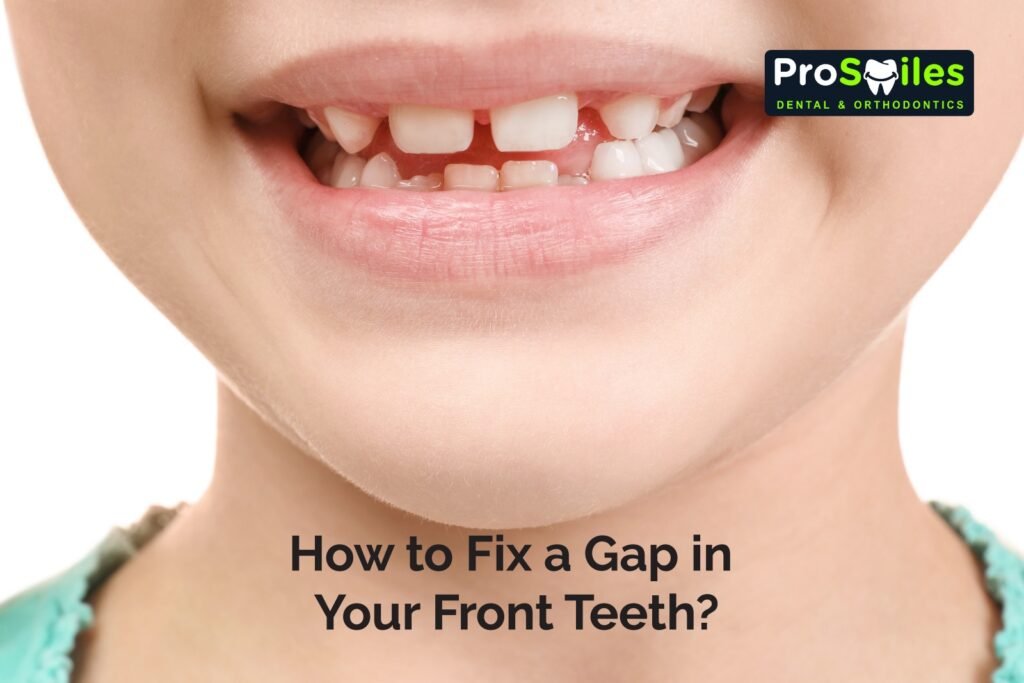
- Gaps between teeth
The material used is medical-grade ceramic that closely resembles natural enamel.
Who Are Porcelain Veneers Right For?
Veneers work best for patients with healthy teeth and gums who want cosmetic improvements rather than major structural repair.
Good candidates often have:
- Stained teeth that do not respond well to whitening
- Minor chips or cracks
- Uneven tooth shapes
- Small gaps
- Mild crowding or spacing issues
This is where patients often get confused. Veneers are not a replacement for orthodontics in severe alignment cases.
For example:
- Mild spacing may be corrected with veneers
- Significant bite problems usually need braces or aligners first
Patients with untreated gum disease, active tooth decay, or severe teeth grinding may not be ideal candidates initially.
What Problems Can Veneers Fix?
| Dental Concern | Can Veneers Help? |
| Deep tooth stains | Yes |
| Small chips | Yes |
| Minor gaps | Yes |
| Slightly crooked teeth | Sometimes |
| Missing teeth | No |
| Severe bite issues | Usually no |
Most people overlook this step. The health of the underlying tooth matters more than the cosmetic issue itself.
What Is the Porcelain Veneer Process?
The veneer process usually takes two to three visits.
Step 1: Consultation and Smile Evaluation
The dentist examines:
- Tooth structure
- Gum health
- Bite alignment
- Enamel thickness
Digital scans or impressions are often taken as part of the treatment planning process. During this stage, patients are encouraged to discuss their smile goals, budget, and long-term maintenance expectations with the dentist.
This is also the time when alternative treatment options may be explored to ensure the most suitable approach for the patient’s needs.
Step 2: Tooth Preparation
A small amount of enamel is usually removed from the front surface of the tooth to create enough space for the veneer to sit naturally and blend seamlessly with the smile.
In most cases, around 0.3 to 0.7 mm of enamel is removed, and local anesthesia may be used to ensure comfort during the procedure. Temporary veneers may also be placed while the permanent veneers are being fabricated.
Step 3: Veneer Placement
Once the veneers are ready, they are bonded to the teeth using dental cement and curing light technology. The dentist carefully checks the bite fit, shape, and color match to ensure the veneers look natural and feel comfortable.
Any necessary adjustments are made during the appointment, and most patients can return to their normal activities on the same day.
Do Porcelain Veneers Hurt?
The procedure is generally well tolerated.
Some patients experience:
- Mild tooth sensitivity
- Gum soreness for a few days
- Temporary discomfort after enamel preparation
Over-the-counter pain medication is usually sufficient.
This is where expectations matter. Veneers improve appearance, but they do not make teeth “perfect” forever without maintenance.
How Long Do Porcelain Veneers Last?
With proper care, porcelain veneers typically last 10 to 15 years, sometimes longer.
According to some research, long-term success depends heavily on oral hygiene, bite forces, and lifestyle habits.
Factors affecting lifespan include:
- Teeth grinding (bruxism)
- Nail biting
- Poor oral hygiene
- Smoking
- Hard food habits
Patients who grind their teeth at night may need a custom night guard.
How Much Do Porcelain Veneers Cost?
Porcelain veneers are considered cosmetic dentistry in most cases, so insurance coverage is limited.
In the US, the average cost ranges between:
| Treatment | Average Cost Per Tooth |
| Porcelain Veneers | $900 to $2,500 |
| Composite Veneers | $250 to $1,500 |
Several factors affect cost:
- Dentist expertise
- Geographic location
- Number of veneers needed
- Laboratory materials used
Most people assume more veneers always mean better results. In reality, treatment should match the patient’s smile line and facial proportions.
Porcelain Veneers vs Composite Veneers
Patients often compare these two options.
Porcelain Veneers
- More durable
- More stain resistant
- More natural appearance
- Higher cost
- Longer lifespan
Composite Veneers
- Lower upfront cost
- Faster treatment
- Easier repairs
- More prone to staining and wear
Neither option is universally “better.” It depends on budget, cosmetic goals, and maintenance expectations.
Are There Any Risks or Downsides?
Yes, and patients should understand them clearly.
Possible drawbacks include:
- Irreversible enamel removal
- Future replacement costs
- Potential veneer fracture or debonding
- Sensitivity in some patients
This is why conservative treatment planning matters.
How Should You Care for Veneers?
Maintenance is straightforward but routine dental checkups remain essential.
Daily care includes:
- Brushing twice daily
- Flossing regularly
- Avoiding excessive force on front teeth
Patients should avoid:
- Chewing ice
- Opening packages with teeth
- Biting very hard foods directly
Final Thought
Porcelain veneers can produce natural-looking cosmetic improvements when treatment is planned carefully and conservatively. They are not a shortcut for every dental issue, and they require long-term commitment to maintenance and oral care.
At ProSmiles Dental, veneer treatment starts with understanding the patient’s goals, oral health condition, and realistic expectations. The right cosmetic treatment should improve appearance while protecting long-term dental health. Before deciding on veneers, it is worth discussing all available options with a qualified dental professional so you can make a confident and informed decision.
Frequently Asked Questions
Yes. Since enamel is usually removed, the process is considered irreversible.
Porcelain resists staining better than natural enamel, but surrounding teeth can still discolor.
When properly designed and matched, yes. Material quality and dentist experience make a major difference.
It varies. Some patients need one or two, while others choose six to eight for visible smile areas.
They can improve mild alignment issues, but severe crowding or bite problems usually require orthodontic treatment.
Reviewed by Dr. Archana, Doctor of Dental Surgery, ProSmiles Dental