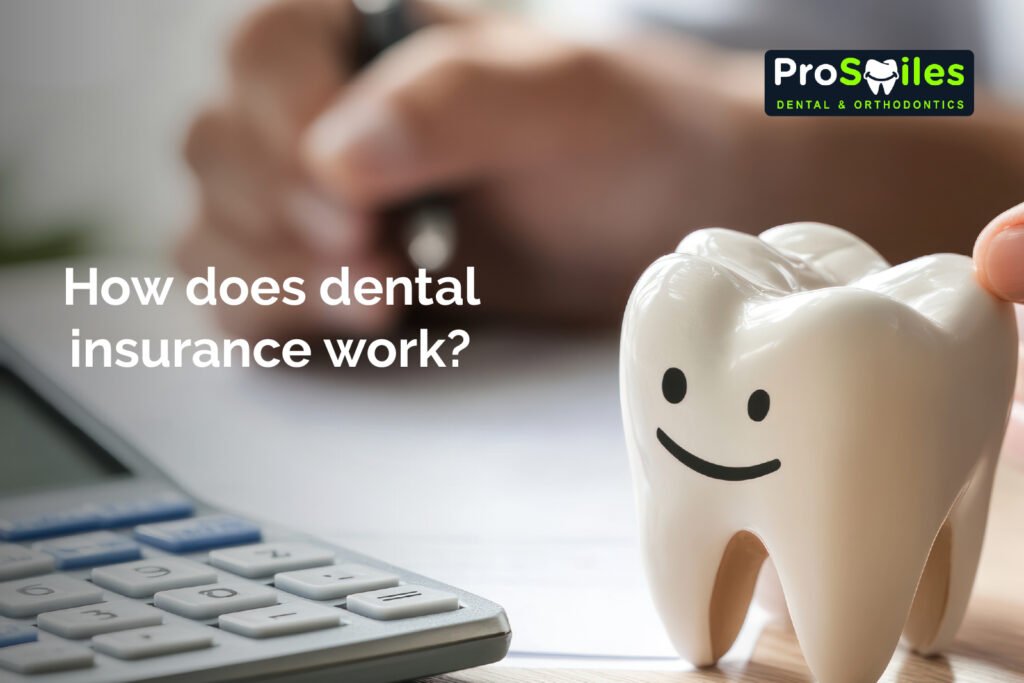
Dental insurance helps reduce the cost of oral care, but many patients misunderstand how it actually works. After years of treating families across different age groups, this is one of the most common areas of confusion we see in the clinic.
Here is what matters most.
What Is Dental Insurance and What Does It Cover?
Dental insurance is a benefit plan designed to share the cost of dental care between you and the insurer. It usually focuses on preventive care first, then basic treatments, and finally major procedures.
Most plans follow a 100-80-50 structure:
- 100% coverage for preventive care
Cleanings, exams, X-rays - 80% coverage for basic procedures
Fillings, simple extractions - 50% coverage for major procedures
Crowns, root canals, dentures
Preventive care is prioritized because it reduces long-term costs. The American Dental Association (ADA) consistently emphasizes that regular checkups help detect issues early and avoid complex treatments later.
According to the American Dental Association, regular dental visits are essential for maintaining oral and overall health.
How Do Premiums, Deductibles, and Maximums Work?
This is where patients often get confused.
Key terms explained:
| Term | What It Means |
| Premium | Monthly fee you pay for the plan |
| Deductible | Amount you pay before insurance starts contributing |
| Annual Maximum | The total amount your plan will pay in a year |
Most dental plans in the US have an annual maximum between $1,000 and $2,000. Once you reach this limit, you pay out of pocket.
This is different from medical insurance, where coverage can be much higher.
Example:
- Crown costs $1,200
- Insurance covers 50%
- Your share: $600
- If you already used $1,000 of your maximum, you may pay more
Most people overlook this step when planning treatment.
What Is a Waiting Period in Dental Insurance?
A waiting period is the time you must wait before certain procedures are covered.
- Preventive care: usually no waiting period
- Basic procedures: 3 to 6 months
- Major procedures: 6 to 12 months
This is designed to prevent people from enrolling only when they need expensive treatment.
If you need immediate work, this delay can be a real issue. In such cases, alternative payment planning becomes important.
What Is the Difference Between In-Network and Out-of-Network Dentists?
Dental insurance plans often use a network system.
- In-network dentist
Has a contract with the insurance company
Lower fees, predictable costs - Out-of-network dentist
No contract
Higher out-of-pocket costs
From a clinical perspective, quality of care does not depend on network status. But costs can vary significantly.
This is where patients must balance cost vs. continuity of care.
What Types of Dental Insurance Plans Exist?
There are several types of plans in the US. Each works differently.
1. PPO (Preferred Provider Organization)
- Most common
- Flexibility to choose dentists
- Partial coverage out of network
2. HMO (Health Maintenance Organization)
- Lower premiums
- Must stay within network
- Limited provider choice
3. Indemnity Plans
- Traditional fee-for-service
- High flexibility
- Higher upfront costs
4. Discount Dental Plans
- Not insurance
- Offer reduced fees at participating clinics
According to the National Association of Dental Plans (NADP), PPO plans cover the majority of insured Americans. (Src: NADP Dental Benefits Report)
What Does Dental Insurance Usually Not Cover?
This is another area where expectations and reality differ.
Most plans do not fully cover:
- Cosmetic procedures
Teeth whitening, veneers - Orthodontics for adults
- Implants in some plans
- Replacement of recently done work
The Mayo Clinic notes that dental care decisions should consider both health needs and financial factors.
How Does Dental Insurance Support Preventive Care?
Insurance is built around prevention.
Most plans cover:
- Two cleanings per year
- Routine exams
- Diagnostic X-rays
This aligns with public health recommendations. The Centers for Disease Control and Prevention (CDC) highlights that untreated cavities affect about 1 in 4 adults in the US. (Src: CDC Oral Health Data)
Regular visits reduce:
- Risk of decay
- Gum disease progression
- Emergency treatments
From a clinical standpoint, prevention is always more predictable than treatment.
How Should Patients Use Dental Insurance Wisely?
Here is practical guidance we often share in the clinic:
- Use your preventive visits every year
- Track your annual maximum before major procedures
- Plan treatments across calendar years if needed
- Ask for a pre-treatment estimate
- Confirm coverage details before starting
This helps avoid unexpected bills.
Common Misconceptions About Dental Insurance
1. “Insurance covers everything”
It does not. It only shares costs.
2. “Higher premium means better coverage”
Not always. Plan structure matters more.
3. “I only need insurance when something hurts”
By then, waiting periods may limit coverage.
4. “Cosmetic treatments are included”
Most are not covered.
Final Word
Dental insurance is a useful tool, but it works best when you understand its limits. It is not designed to eliminate costs entirely. It is designed to make care more manageable over time.
At ProSmiles Dental, we guide patients through both treatment and financial decisions every day. The goal is simple. Help you maintain oral health without surprises, so you can make informed choices with confidence.
FAQs
Yes, especially for preventive care and basic treatments. It reduces long-term costs if used consistently.
Some plans partially cover implants, but many exclude them. Always check plan details.
Preventive care is usually covered right away. Other procedures may have waiting periods.
You will pay the remaining cost out of pocket until the plan resets next year.
No. Some are out-of-network. You can still visit them, but costs may be higher.