Dental anxiety is more common than many patients admit. For some, it leads to delayed care or avoiding the dentist altogether. This is where sedation dentistry becomes relevant. It helps patients stay calm and comfortable during dental procedures while allowing the dentist to work safely and efficiently.
Here is what matters most. Sedation dentistry is not the same as general anesthesia used in hospitals. It is a controlled use of medication to reduce anxiety, manage pain perception and improve patient cooperation during treatment.
What Is Sedation Dentistry?
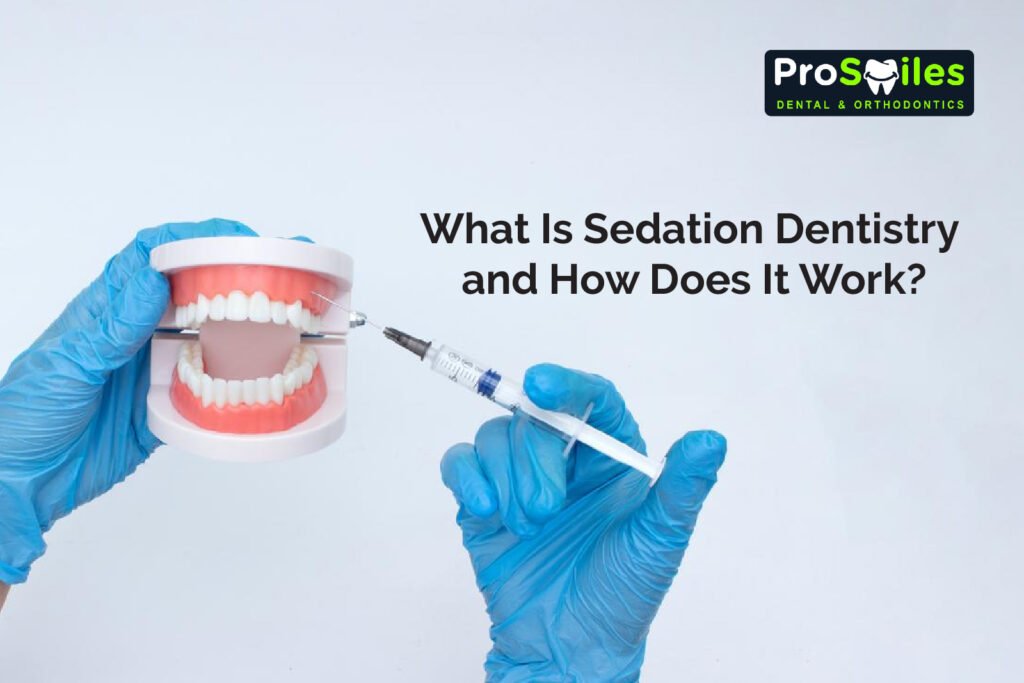
Sedation dentistry refers to the use of medications to help patients relax during dental procedures. It is often called “sleep dentistry,” but that term is not entirely accurate. Most patients remain awake unless deep sedation is used.
The goal is simple. Reduce anxiety, control discomfort, and make dental care accessible for patients who might otherwise avoid treatment.
According to the American Dental Association (ADA), sedation is a safe and effective tool when administered by trained professionals and when proper patient screening is done.
“Sedation techniques can significantly improve patient comfort and allow necessary dental care to be completed safely,” notes the American Dental Association.
Why Do Patients Choose Sedation Dentistry?
Patients do not choose sedation only because of fear. There are several practical reasons:
- Dental anxiety or phobia
- Low pain tolerance
- Sensitive teeth or gag reflex
- Need for multiple or complex procedures
- Difficulty sitting still for long periods
- Special healthcare needs (including certain neurological or developmental conditions)
This is where patients often get confused. Sedation is not only for major surgeries. Even routine procedures like fillings or deep cleaning can be done under mild sedation if anxiety is a barrier.
What Are the Types of Sedation Dentistry?
Sedation is not one-size-fits-all. The type depends on the procedure, medical history, and level of anxiety.
1. Nitrous Oxide (Laughing Gas)
This is the most common and mildest form.
- Inhaled through a mask
- Works quickly
- Wears off within minutes
- Patients remain fully conscious
It is often used for routine procedures and is considered very safe, including for children.
2. Oral Sedation
This involves taking a prescribed pill before the appointment.
- Produces moderate sedation
- Patients feel drowsy but remain awake
- Memory of the procedure may be limited
Recovery takes longer than nitrous oxide. Patients need someone to drive them home.
3. IV Sedation
Administered directly into the bloodstream.
- Works quickly and is adjustable
- Provides deeper relaxation
- Patients may not remember much of the procedure
This is commonly used for surgical procedures such as extractions or implants.
4. General Anesthesia
This is the deepest level of sedation.
- Patient is completely unconscious
- Used for complex cases or certain medical conditions
- Requires specialized monitoring
It is less common in general dental clinics and often performed in hospital settings.
How Does Sedation Dentistry Work?
Sedation works by slowing down the central nervous system. This reduces anxiety, relaxes muscles, and alters pain perception.
Here is a simplified breakdown:
| Step | What Happens |
| Evaluation | Medical history, medications, and anxiety levels are reviewed |
| Selection | Dentist chooses the safest sedation type |
| Administration | Medication is given via gas, pill, or IV. |
| Monitoring | Vital signs like heart rate and oxygen are tracked |
| Recovery | Effects wear off depending on sedation type |
Most people overlook this step. Medical history matters. Conditions like sleep apnea, heart disease, or certain medications can affect sedation safety.
Is Sedation Dentistry Safe?
When done correctly, sedation dentistry is considered safe. However, it is not risk-free.
According to the National Institutes of Health (NIH), complications are rare but can include breathing issues, allergic reactions, or over-sedation if not properly monitored.
(src: NIH – Sedation Safety in Dentistry)
Dentists follow strict protocols:
- Pre-treatment screening
- Dosage control
- Continuous monitoring
- Emergency preparedness
The level of risk increases with deeper sedation. That is why case selection and provider training are critical.
What Does Sedation Feel Like?
Patients often ask this.
The experience depends on the type used:
- Nitrous oxide feels light and calming
- Oral sedation causes drowsiness and reduced awareness
- IV sedation creates a “twilight” state where time feels shortened
- General anesthesia results in full unconsciousness
Pain is still managed with local anesthesia. Sedation mainly addresses anxiety and comfort, not pain alone.
How Long Does It Take to Recover?
Recovery time varies:
- Nitrous oxide: 5 to 10 minutes
- Oral sedation: several hours
- IV sedation: same-day recovery with supervision
- General anesthesia: longer recovery, sometimes a full day
Patients are advised not to drive, work, or make important decisions after moderate or deep sedation.
Cost and Insurance Considerations
Sedation dentistry is not always fully covered by insurance in the US.
Here is what typically affects cost:
- Type of sedation used
- Length of the procedure
- Provider expertise
- Geographic location
Nitrous oxide is usually the most affordable. IV sedation and general anesthesia cost more due to monitoring and equipment.
Patients should always confirm:
- Insurance coverage
- Out-of-pocket costs
- Medical necessity documentation
Who Should Avoid Sedation Dentistry?
Sedation may not be suitable for everyone.
Caution is required for:
- Pregnant patients
- Individuals with respiratory conditions
- Patients with certain allergies
- Those on specific medications
This is why a detailed consultation is essential before planning sedation.
Common Misconceptions About Sedation Dentistry
Let’s clear a few:
- Myth: Sedation means being unconscious
Reality: Most patients remain awake and responsive - Myth: It replaces pain control
Reality: Local anesthesia is still required - Myth: It is only for major surgeries
Reality: It can be used for routine dental care - Myth: It is unsafe
Reality: It is safe when done under proper protocols
Final Thought
Sedation dentistry has made dental care more accessible for patients who would otherwise delay or avoid treatment. The decision should always be based on medical history, treatment needs, and comfort level.
At ProSmiles Dental, sedation is approached with careful evaluation and clear communication. The goal is simple. Help patients receive the care they need without unnecessary stress. If dental anxiety has been holding you back, discussing sedation options with a qualified provider is a practical next step toward better oral health.
FAQs
Yes, mild forms like nitrous oxide are commonly used in pediatric dentistry. Safety depends on proper dosing and monitoring.
Pain is managed with local anesthesia. Sedation mainly reduces anxiety and discomfort awareness.
It depends on the type. For oral or IV sedation, fasting may be required. Always follow your dentist’s instructions.
It varies. Nitrous oxide wears off quickly, while oral and IV sedation may last several hours.
For patients with anxiety or complex treatment needs, it can make dental care possible and more comfortable.
Medically reviewed by Archana Lankupalli – Doctor of Dental Surgery