If you’ve ever lost a tooth and started exploring replacement options, you’ve likely discovered that dental implants are considered the gold standard. They look natural, function like real teeth, and can last a lifetime. But there’s one question almost every patient asks before committing:
“Why are dental implants so expensive?”
At first glance, the price tag can seem high compared to alternatives like bridges or dentures. However, when you understand what goes into a dental implant — from the precision technology to the surgical expertise — it’s clear that this investment reflects far more than just a tooth replacement.
Let’s break down why implants cost what they do, what you’re actually paying for, and why many patients say they’re worth every penny.
The Materials Behind Every Dental Implant
Every dental implant is a combination of science, engineering, and biocompatible materials designed to integrate seamlessly with your jawbone.
The main component — the implant post — is usually made from medical-grade titanium or zirconia. These materials are strong, lightweight, corrosion-resistant, and capable of fusing naturally with bone tissue through a process called osseointegration.
This fusion is what makes implants so secure and long-lasting — but it also explains part of their cost.
Titanium and zirconia are premium-grade metals that undergo rigorous testing and manufacturing standards to ensure they are safe, sterile, and durable enough to stay in your body for decades.
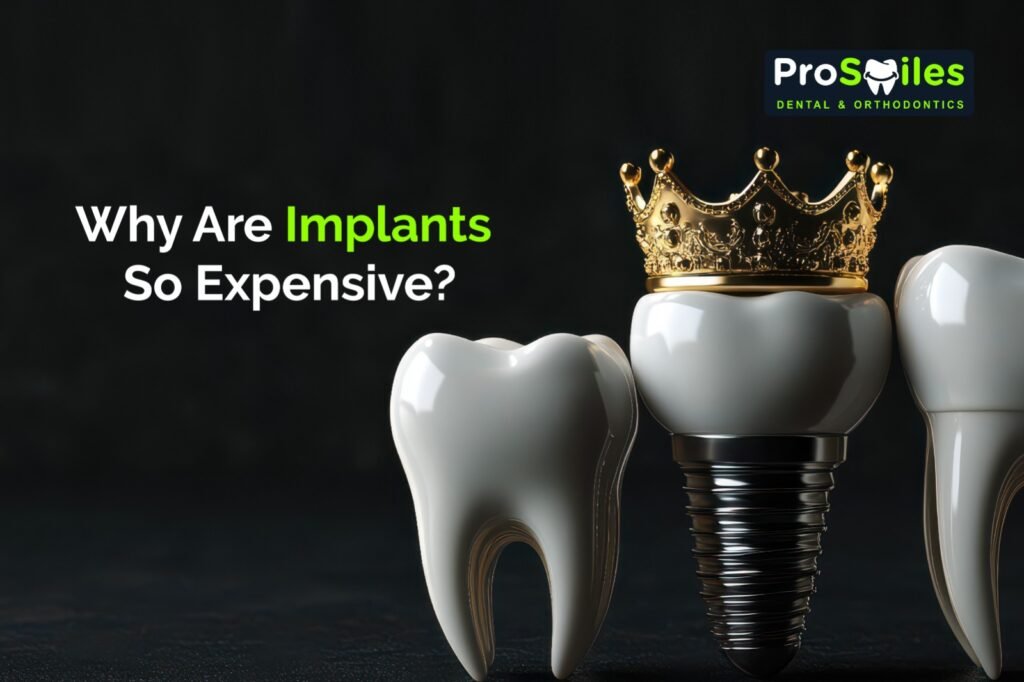
Beyond the implant post, you’re also paying for the custom abutment (the connector piece) and the crown (the visible tooth). Each one is precision-crafted to match your bite, shape, and shade for a perfectly natural appearance.
The Surgical Skill and Expertise Involved
Dental implant surgery isn’t a routine dental procedure — it’s a complex treatment that requires advanced training, surgical precision, and years of experience.
Only qualified dentists or oral surgeons with specialized implant training perform these procedures safely and effectively. The process often involves detailed diagnostics, 3D imaging, and surgical planning to ensure proper placement and long-term success.
The skill level of your provider directly affects both the outcome and the cost. Highly trained implant specialists not only use state-of-the-art technology but also take measures to reduce complications, ensure correct bone integration, and achieve a more aesthetic final result.
In short, you’re not just paying for a product — you’re investing in the expertise that ensures it lasts.
The Technology Used in Planning and Placement
Dental implant procedures today are more accurate and comfortable than ever, thanks to modern technology. However, this technology comes with significant investment from the dental practice.
Some of the equipment and tools used include:
- 3D Cone Beam CT Scanners (CBCT): These create detailed 3D images of your jaw, helping the dentist plan the precise angle and depth of implant placement.
- Intraoral Scanners: Capture digital impressions for perfectly fitting restorations — no messy molds needed.
- Computer-Guided Surgery: Advanced software allows for virtual implant placement before the actual procedure, improving safety and predictability.
Each of these systems represents a major investment for the clinic — but they’re part of what ensures your implant is positioned with near-perfect accuracy, reducing healing time and complications.
Laboratory Customization and Craftsmanship
Once the implant is placed, the visible part of your new tooth — the dental crown — is custom-made in a dental laboratory. This isn’t a one-size-fits-all product.
Dental technicians meticulously craft each crown using high-quality ceramic, porcelain, or zirconia, matching the exact shape and color of your natural teeth. The process requires artistry, attention to detail, and multiple steps to ensure both durability and aesthetics.
This craftsmanship ensures that your new tooth blends seamlessly with your smile — and that it feels and functions just like the real thing.
Multiple Stages and Follow-Ups
Unlike fillings or crowns that can be completed in a single visit, dental implants require multiple stages, each one carefully timed to ensure the best results.
A typical implant process includes:
- Initial Consultation & Imaging: X-rays or 3D scans to assess bone density and health.
- Implant Placement Surgery: The titanium post is surgically placed into your jawbone.
- Healing & Osseointegration: The bone fuses with the implant over several months.
- Abutment Placement: The connector piece is attached to the implant.
- Crown Placement: The final restoration is fitted and secured.
Each stage involves professional time, materials, and sometimes sedation or additional bone grafting — all contributing to the overall cost.
The Longevity and Value Factor
While implants are initially more expensive than bridges or dentures, they’re designed to last a lifetime with proper care.
Other tooth replacement options may need replacement every 5–10 years, adding up to higher long-term costs. Dental implants, on the other hand, integrate with your bone and preserve your facial structure — preventing the bone loss that typically occurs after tooth extraction.
When viewed as a one-time investment in oral health, appearance, and function, implants often deliver far greater value over time.
Location and Practice Overheads
Like most dental treatments, implant costs also vary by location.
In metropolitan areas where rent, equipment, and labor costs are higher, you can expect implant prices to be on the upper end of the range.
In the U.S., the average cost of a single dental implant (including surgery and crown) ranges from $3,000 to $5,500. In Texas or smaller towns, prices can be somewhat lower — but may still vary depending on the clinic’s technology and expertise.
Additional Procedures (If Needed)
Not everyone is ready for implants right away. Some patients may need preliminary procedures like:
- Bone grafting to rebuild jaw strength
- Sinus lifts for upper jaw implants
- Tooth extractions before placement
These add-on treatments improve long-term success rates but also increase the total cost.
Are Dental Implants Worth the Price?
Absolutely — and here’s why.
Dental implants aren’t just about filling a gap; they restore your confidence, comfort, and quality of life. They allow you to chew naturally, speak clearly, and smile freely — all without worrying about slipping dentures or frequent replacements.
When cared for properly, implants can last a lifetime, making them one of the most durable and natural-looking investments in modern dentistry.
Final Thoughts
So, why are dental implants so expensive? Because behind every implant lies advanced materials, surgical precision, cutting-edge technology, and years of expertise — all working together to give you a solution that’s strong, beautiful, and long-lasting.
While the upfront cost may seem high, the value of a permanent, confident smile is truly priceless. If you’re considering implants, schedule a consultation with Prosmiles Dental to get a personalized treatment plan, transparent pricing, and flexible payment options that fit your budget.