
Losing a tooth is more common than many people think. It may happen due to decay, gum disease, injury, or age. When the pain subsides and the space is not immediately visible, some patients assume it is safe to leave it as is. This is where problems often begin. Missing teeth affect far more than appearance. They change how your mouth works, how your jaw holds its shape, and how healthy the remaining teeth stay over time.
Why a missing tooth is not just a cosmetic issue
Here is what matters most: teeth work as a system. Each tooth supports the ones next to it and helps distribute pressure when you chew. When one tooth is missing, that balance is disrupted.
Many patients believe missing a back tooth does not matter because it cannot be seen. This is a common misconception. Even a single missing molar can affect chewing efficiency, jaw alignment, and long-term oral health. Over time, small changes add up and become harder to reverse.
How nearby teeth begin to shift
This is where patients often get confused. Teeth are not fixed in place forever. They respond to pressure and space. When a tooth is lost, the neighboring teeth slowly move toward the empty area. The opposing tooth may also over erupt because it no longer meets resistance when biting.
This shifting changes how teeth fit together. It can lead to uneven bite pressure, food getting trapped more easily, and difficulty cleaning between teeth. These changes raise the risk of cavities and gum disease in areas that were once healthy.
Bone loss in the jaw over time
One of the most overlooked effects of missing teeth is bone loss. The jawbone stays strong through stimulation from chewing. When a tooth is missing, that stimulation stops in that area.
Over time, the body begins to resorb the unused bone. According to dental research and guidelines followed by professionals in the US, jawbone loss can begin within months after a tooth is lost and continues gradually. This can change facial structure, cause a sunken appearance, and make future tooth replacement more complex.
Changes in chewing and digestion
Teeth play a critical role in proper digestion. When chewing becomes uneven or inefficient, food is not broken down as well before swallowing. This can strain the digestive system and cause discomfort for some patients.
Most people overlook this step. They adjust how they chew without realizing it. Favoring one side of the mouth can overload certain teeth and jaw muscles. Over time, this may contribute to jaw soreness, headaches, or temporomandibular joint discomfort.
Impact on speech and daily comfort
Missing teeth can affect speech, especially when front teeth are involved. Sounds like “s,” “f,” and “th” rely on proper tooth placement. Even subtle changes can make speech feel less clear or comfortable.
Beyond speech, daily habits change. Patients may avoid certain foods, smile less confidently, or feel self conscious in social situations. While these effects may start small, they often influence quality of life more than expected.
Increased risk of gum disease and decay
Gaps left by missing teeth are harder to keep clean. Food debris and plaque collect more easily in open spaces and along shifting teeth. This raises the risk of gum inflammation and decay in nearby teeth.
Here is what matters most: untreated gum disease can lead to further tooth loss. What began as one missing tooth can turn into a larger oral health issue if the underlying causes are not addressed.
How missing teeth affect long-term treatment options
Timing matters when replacing missing teeth. When bone loss and tooth shifting progress, treatment becomes more complex. Procedures may require additional steps such as bone grafting or orthodontic correction before replacement can happen.
This does not mean replacement is impossible later, but it does mean more planning, time, and cost may be involved. Early evaluation allows patients to understand their options clearly and choose what fits their needs and budget.
Understanding replacement options and trade-offs
Patients often delay replacement due to uncertainty or cost concerns. This is understandable. Dental care is a personal investment. The key is understanding the trade-offs.
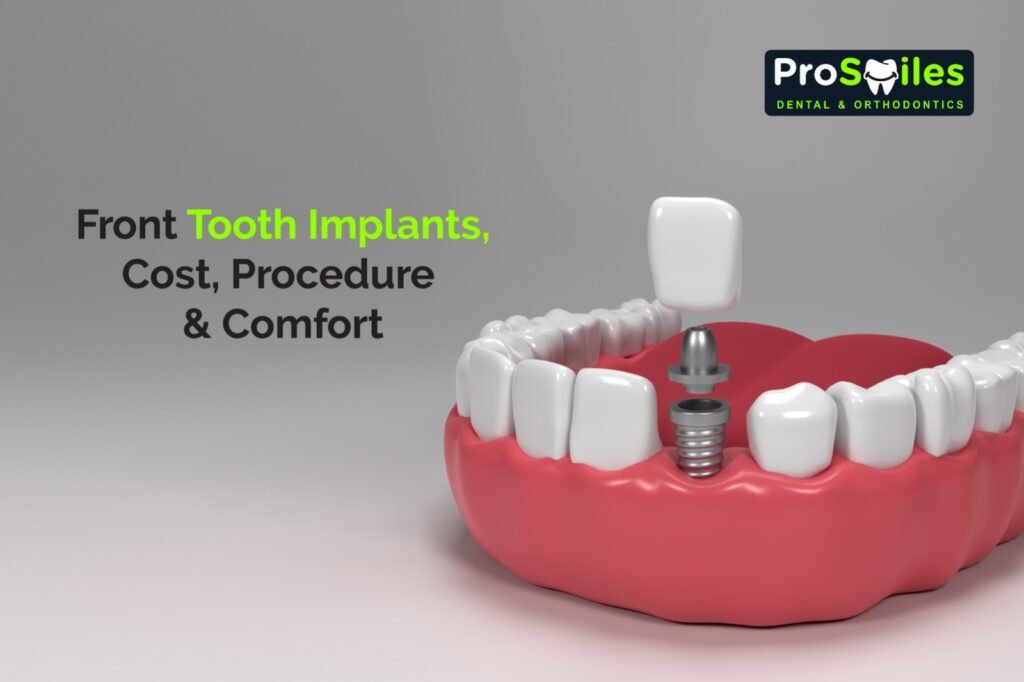
Dental implants help preserve bone and function but require adequate bone and healing time. Bridges rely on adjacent teeth and may involve reshaping healthy enamel. Removable dentures are more affordable but need ongoing adjustment and maintenance. Each option has benefits and limitations depending on age, oral health, and lifestyle.
A trusted dental professional helps patients weigh these choices honestly, without pressure, and with long-term outcomes in mind.
Age and health factors that influence outcomes
Missing teeth affect patients differently depending on age and health status. Younger adults may experience faster tooth movement. Older adults may already have some bone loss or gum concerns. Medical conditions such as diabetes or habits like smoking can influence healing and treatment success.
This is why personalized care matters. What works well for one patient may not be ideal for another. Clear evaluation and open discussion lead to better decisions and more predictable results.
When waiting can cause more harm than expected
Some patients choose to wait and monitor the situation. In certain cases, short delays are manageable. Long-term inaction is where problems develop.
Here is where early guidance helps. Even if immediate replacement is not planned, monitoring bone levels, bite changes, and gum health helps prevent avoidable complications. Doing nothing is still a choice, and it often carries hidden consequences.
Looking ahead with informed decisions
Missing teeth affect oral health, facial structure, comfort, and confidence. The changes happen gradually, which makes them easy to ignore. Understanding what is happening beneath the surface allows patients to make informed choices instead of reactive ones.
At ProSmiles Dental, we help patients understand the full picture when a tooth is lost. Our goal is not to rush decisions but to provide clear guidance based on experience, clinical evidence, and individual needs.