If you are missing one or more teeth, you are not alone. We see this every day in our clinics. Some patients lose teeth due to decay they ignored for too long. Others after gum disease, injury, or simply age. The next question almost always follows quickly.
“What is the best way to replace it?”
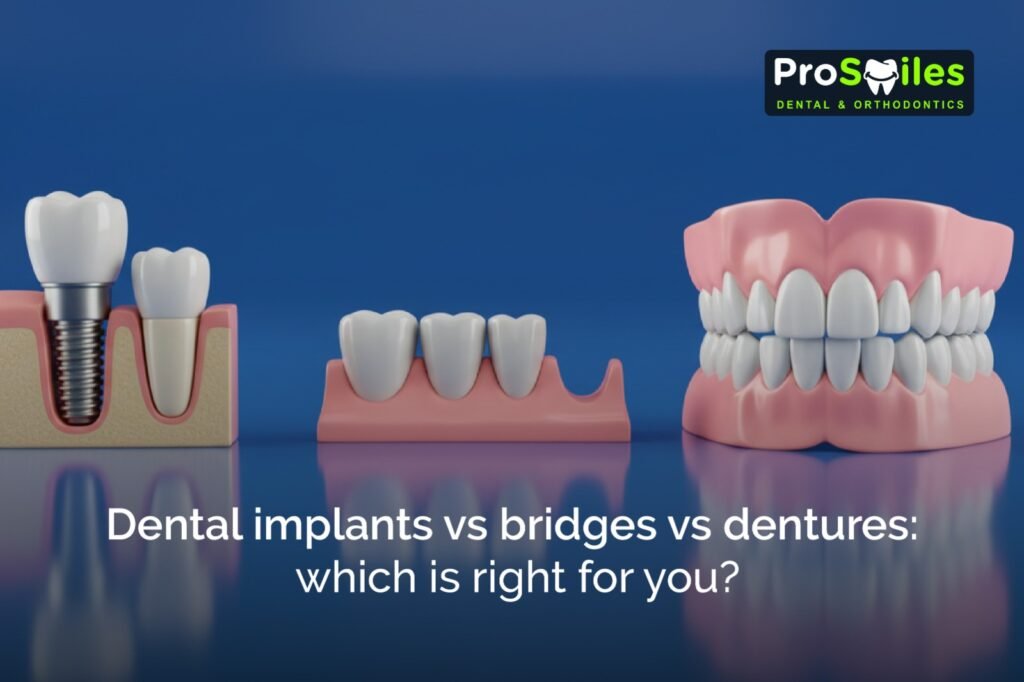
Most patients hear three options. Dental implants. Bridges. Dentures.
This is where confusion usually starts.
As a dental team that has treated families, working adults, and seniors across the US for many years, we know there is no single right answer for everyone. Each option has its place. The key is understanding how they differ, what they demand from you, and what they offer in return.
Let us walk you through this the same way we would during a chairside consultation.
Why replacing a missing tooth matters
Many people ignore a missing tooth if it is not visible or painful. This is a common mistake.
When a tooth is lost, the jawbone beneath it slowly shrinks. Nearby teeth can drift into the empty space. Your bite changes. Chewing becomes uneven. Over time, this can lead to jaw pain, headaches, or more tooth loss.
The American Dental Association consistently stresses that replacing missing teeth helps maintain oral function and long-term jaw health. It is not just about appearance.
Dental Implants: The closest thing to a natural tooth
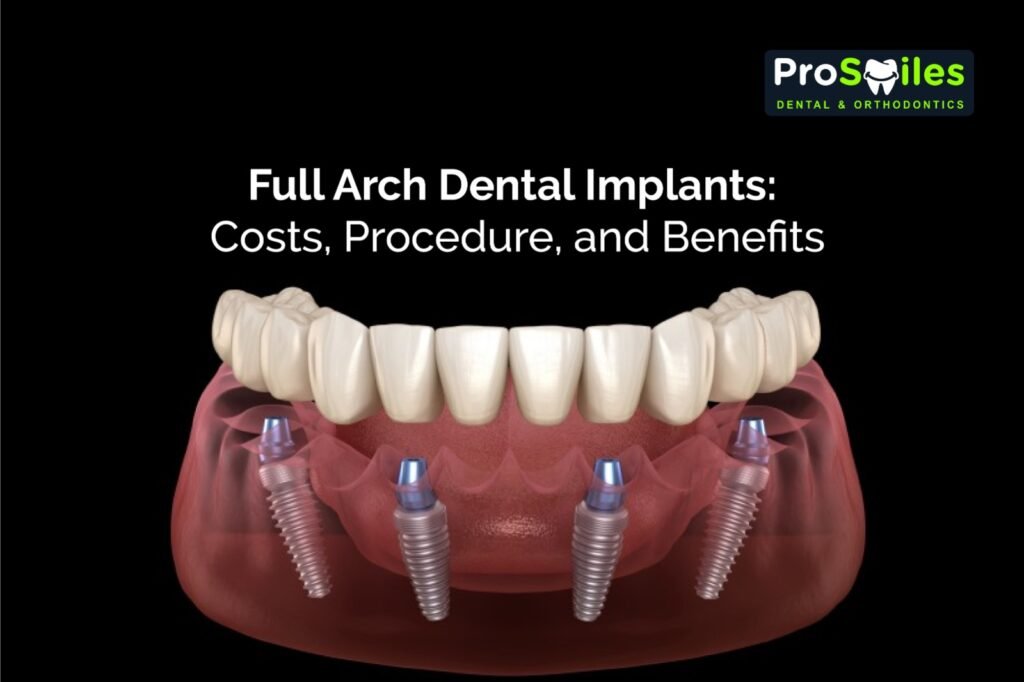
A dental implant replaces both the tooth and its root. A small titanium post is placed in the jawbone. Over time, the bone grows around it and holds it firmly in place. A crown is then attached on top.
This is why implants feel stable. They do not rely on neighboring teeth.
What patients like about implants
- They look and feel very close to natural teeth
- They do not move when eating or speaking
- They help preserve jawbone strength
- With good care, they can last decades
What patients worry about
This is where most patients get confused. Many assume implants are very painful or unsafe.
In reality, implant placement is a controlled surgical procedure done under local anesthesia. Most patients tell us it feels easier than a tooth extraction. Recovery varies, but discomfort is usually manageable.
Cost is another concern. Implants cost more upfront. But they also tend to last much longer than other options.
Who implants work best for
- Adults with healthy gums and enough jawbone
- Patients who want a long-term solution
- People willing to maintain good oral hygiene
- Non-smokers or those willing to reduce tobacco use
Implants are not ideal if bone loss is severe or if certain medical conditions affect healing. That is why a full evaluation matters.
Dental Bridges: A fixed solution using neighboring teeth
A bridge replaces a missing tooth by anchoring it to the teeth on either side. Those supporting teeth are shaped, and crowns are placed over them. The false tooth sits between them.
Bridges have been used successfully for many decades.
Why some patients choose bridges
- Treatment is faster than implants
- Surgery is usually not required
- Initial cost is lower than implants
- Fixed in place, not removable
The trade-offs
Here is what many people do not realize until later.
A bridge depends on the health of neighboring teeth. Those teeth must be reduced in size, even if they were healthy to begin with. Over time, this can increase the risk of decay or root canal treatment on those supporting teeth.
Cleaning under a bridge also takes more effort. If plaque builds up, gum problems can follow.
Who bridges may suit
- Patients missing one tooth
- Those with strong neighboring teeth
- People who want quicker results
- Patients not ready for implant surgery
Bridges can last many years, but they often need replacement eventually.
Dentures: A removable and affordable option
Dentures replace multiple missing teeth. They can be partial or full. Modern dentures look far better than what many people remember from the past.
Still, dentures come with adjustments.
Why dentures are still used
- Lower initial cost
- Non-surgical option
- Suitable when many teeth are missing
- Can be made relatively quickly
Common patient concerns
Many patients worry about dentures slipping or affecting speech. These concerns are valid.
Dentures rest on the gums, not the bone. Over time, as bone shrinks, dentures can loosen. Adhesives help, but they are not a perfect solution. Chewing efficiency is also reduced compared to natural teeth or implants.
Regular adjustments are necessary.
Who dentures work best for
- Seniors with multiple missing teeth
- Patients with limited bone support
- Those seeking a non-surgical solution
- Patients on a tight budget
Dentures require patience, daily cleaning, and follow-up visits.
Pain, safety, and treatment time: Clearing the myths
Many people delay treatment due to fear. We hear this every week.
Modern dentistry is focused on comfort. Local anesthesia, gentle techniques, and clear aftercare instructions make most procedures manageable.
Treatment time varies. Dentures and bridges are usually quicker. Implants take longer because bone needs time to heal. This waiting period is what gives implants their strength.
Safety depends heavily on oral hygiene, diabetes control, smoking habits, and follow-up care. No option is maintenance-free.
Cost and long-term value
This is often the deciding factor.
Dentures cost the least upfront but may need relining or replacement over time. Bridges cost more initially and rely on adjacent teeth staying healthy. Implants cost the most upfront but often last the longest.
Here is what actually makes the difference. Long-term value depends on how well you care for your mouth. Brushing, flossing, diet, and regular checkups matter more than people think.
So, which option is right for you?
There is no universal answer.
Your age, bone health, number of missing teeth, daily habits, and budget all play a role. This decision should never be rushed or made online alone.
A proper clinical exam, X-rays, and an honest discussion are essential.
Your next step
If you are missing teeth or considering replacement options, do not wait until chewing becomes painful or teeth start shifting.
Schedule a consultation. Ask questions. Share your concerns about pain, cost, and time.
At Prosmiles, our role is to guide you with clarity and experience, not pressure. The right solution is the one that fits your health, your lifestyle, and your long-term well-being. Taking that first step early can make all the difference.