
Many people only think about visiting the dentist when they experience pain. However, oral health is closely connected to overall health, and regular dental visits play a crucial role in prevention, early diagnosis, and long-term well-being.
So, how often should you visit the dentist? The answer is not the same for everyone. It depends on age, oral health status, medical conditions, and individual risk factors.
This blog explains how often dental visits are recommended, why they matter, and how personalized dental care supports both oral and systemic health.
Why Are Regular Dental Visits Important?
Routine dental visits are not only about cleaning teeth. They help detect problems early, often before symptoms appear.
Regular dental checkups help:
- Prevent tooth decay and gum disease
- Detect oral cancer early
- Monitor bite alignment and jaw health
- Maintain dental restorations
- Support overall health
According to the National Institutes of Health, untreated oral disease can increase the risk of heart disease, diabetes complications, and respiratory infections.
How Often Should You Visit the Dentist According to Experts?
Most dental organizations recommend visiting the dentist every six months. This schedule works well for individuals with good oral health and low risk of dental disease.
However, modern dentistry follows a risk-based approach, meaning visit frequency should be personalized.
General guidelines:
- Low risk patients: Every 6 months
- Moderate risk patients: Every 3 to 4 months
- High risk patients: Every 2 to 3 months
Your dentist determines this based on clinical findings and medical history.
What Happens During a Routine Dental Visit?
A routine dental visit usually includes more than one step.
Common components:
- Review of medical and dental history
- Oral examination
- Gum health assessment (periodontal evaluation)
- Dental cleaning (plaque and tartar removal)
- X-rays if needed
- Oral cancer screening
These steps help identify problems early and guide preventive care.
How Often Should Adults Visit the Dentist?
Adults should visit the dentist at least twice a year unless advised otherwise.
Adults may need more frequent visits if they:
- Have gum disease (periodontal disease)
- Smoke or use tobacco
- Have diabetes
- Are pregnant
- Have a history of cavities
Periodontal disease is a chronic inflammatory condition affecting the gums and bone. It often progresses silently without pain.
How Often Should Children Visit the Dentist?
Children should see a dentist by their first birthday or when the first tooth appears.
Recommended schedule for children:
- First visit: By age one
- Routine visits: Every six months
Regular visits help:
- Monitor tooth development
- Prevent cavities
- Establish healthy habits early
- Reduce dental anxiety
The Centers for Disease Control and Prevention reports that tooth decay is one of the most common chronic conditions in children.
How Often Should Seniors Visit the Dentist?
Older adults often require more frequent dental care.
Common age-related concerns:
- Dry mouth (xerostomia)
- Gum recession
- Tooth wear
- Dental prosthetics maintenance
Medications commonly taken by seniors can reduce saliva, increasing cavity risk.
Dentists may recommend visits every three to four months for seniors with complex dental needs.
Does Medical History Affect Dental Visit Frequency?
Yes. Several medical conditions directly affect oral health.
Conditions linked to higher dental risk:
- Diabetes
- Heart disease
- Autoimmune disorders
- Osteoporosis
- Cancer treatments
For example, poorly controlled diabetes increases the risk of gum infections and delayed healing.
How Often Should You Visit the Dentist If You Have Gum Disease?
Patients with periodontal disease often need maintenance visits every three months.
These visits:
- Control inflammation
- Prevent bone loss
- Reduce tooth loss risk
Gum disease cannot be fully cured, but it can be effectively managed with regular care.
How Often Are Dental X-Rays Needed?
Dental X-rays are not required at every visit.
Typical frequency:
- Low risk patients: Every 12 to 24 months
- Higher risk patients: More frequently as advised
X-rays help detect cavities, bone loss, and hidden infections.
Modern digital X-rays use very low radiation levels.
What Happens If You Skip Regular Dental Visits?
Skipping dental visits can lead to delayed diagnosis.
Possible consequences include:
- Cavities becoming larger and more painful
- Gum disease progression
- Tooth loss
- Higher treatment costs
- Increased risk of oral infections
Preventive care is always less invasive and less expensive than emergency treatment.
Is Visiting the Dentist Twice a Year Always Necessary?
Not always. Some low-risk individuals with excellent oral hygiene may need fewer visits.
However, many people overestimate their oral health.
Professional evaluation is essential because:
- Early gum disease is painless
- Cavities can develop under fillings
- Oral cancer may show no early symptoms
Personalized recommendations are safer than assumptions.
How Do Lifestyle Habits Affect Dental Visit Frequency?
Certain habits increase dental risk.
Higher-risk habits include:
- Smoking or vaping
- Frequent sugar intake
- Poor oral hygiene
- Teeth grinding (bruxism)
People with these habits often benefit from more frequent dental monitoring.
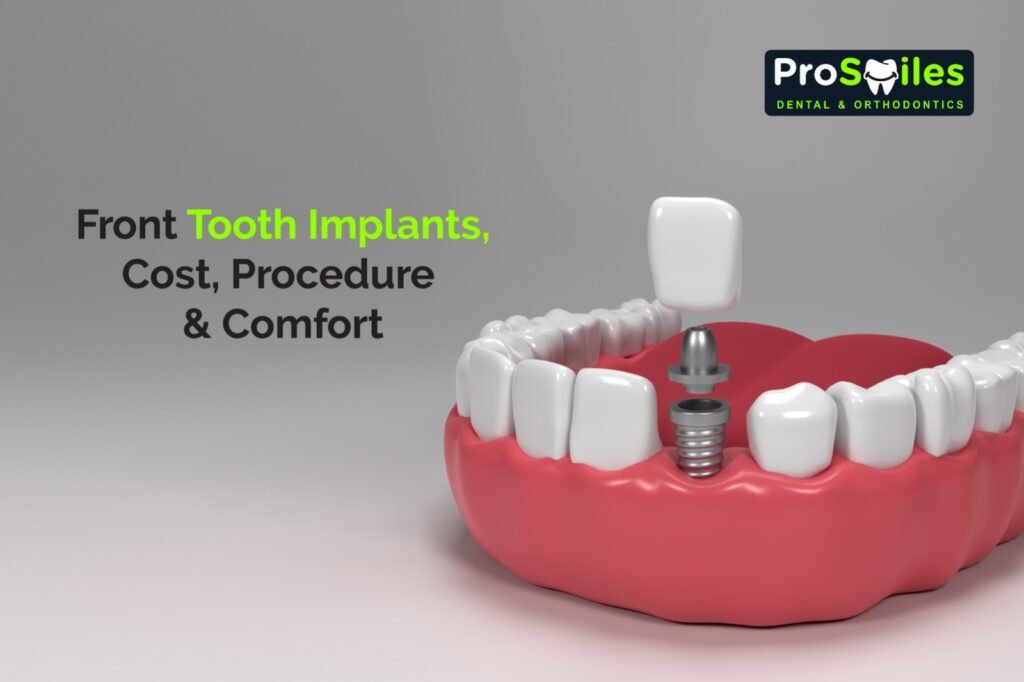
How Often Should You Visit the Dentist If You Have Dental Implants or Crowns?
Dental restorations require regular monitoring.
Recommended schedule:
- Every 6 months for routine checks
- More often if complications arise.
Professional cleaning helps prevent implant inflammation (peri-implantitis).
Can Regular Dental Visits Improve Overall Health?
Yes. Oral health and systemic health are interconnected.
Regular dental visits can:
- Reduce chronic inflammation
- Support diabetes control
- Lower cardiovascular risk
- Improve nutrition and digestion
The mouth is often an early indicator of systemic disease.
How Can You Make Dental Visits More Comfortable?
Dental anxiety is common.
Helpful strategies include:
- Open communication with your dentist
- Scheduling morning appointments
- Using relaxation techniques
- Understanding each step of the visit
Modern dentistry focuses strongly on patient comfort and education.
Building a Lifetime Habit of Preventive Dental Care
Understanding how often you should visit the dentist helps protect more than just your smile. Regular dental checkups support early detection, prevent complications, and contribute to long-term overall health. Dental care is most effective when it is proactive rather than reactive. Personalized schedules, guided by professional evaluation, ensure each patient receives the right level of care at the right time. At Prosmiles dental, preventive dentistry, patient education, and evidence-based care remain central to supporting healthy smiles and lifelong oral wellness.
Frequently Asked Questions (FAQs)
Is it safe to visit the dentist during pregnancy?
Yes. Routine dental care is safe and recommended during pregnancy.
How often should I visit the dentist if I have no pain?
Pain is not a reliable indicator. Regular visits are still necessary.
Can brushing and flossing replace dental visits?
No. Professional cleaning removes hardened plaque that home care cannot.
How often should people with braces visit the dentist?
Orthodontic patients often need visits every four to six weeks.
Does dental insurance affect visit frequency?
Insurance may influence coverage, but health needs should guide visit timing.